What the Levi’s and FIFA saga teaches Tanzanian brands about intellectual property, sponsorship and the power of being unforgettable.
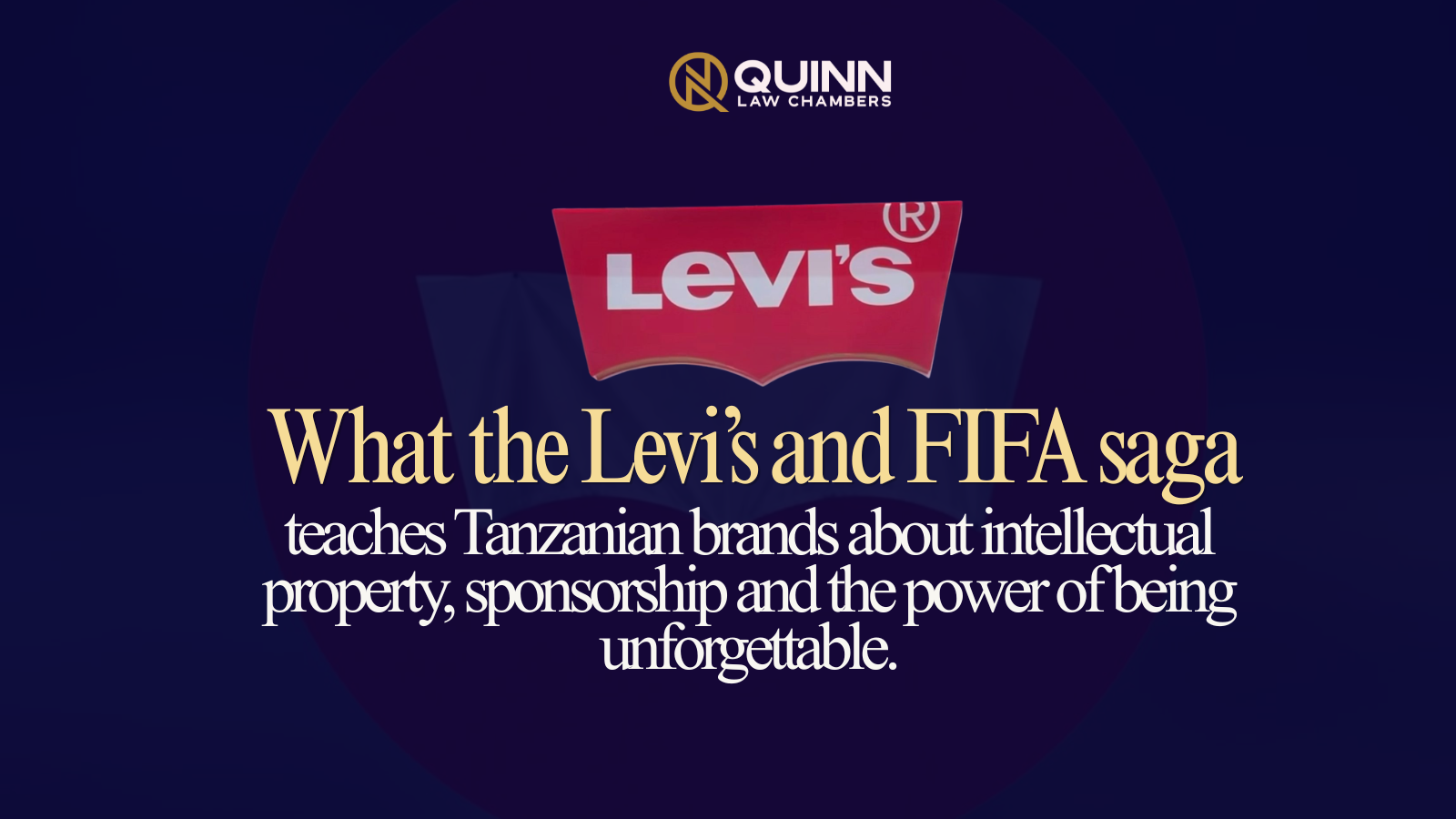
The 2026 FIFA World Cup has given us one of the most talked-about brand moments of the tournament, and it did not cost a single sponsorship shilling. Levi’s Stadium in Santa Clara, California, was renamed “San Francisco Bay Area Stadium” for the duration of the competition because Levi’s is not an official FIFA sponsor. Workers covered the Levi’s name with sheets before the cameras arrived. But here is the thing. The iconic batwing shape of the Levi’s logo, instantly recognizable to millions of people around the world, remained clearly visible beneath the covering. Levi’s then leaned into the moment on social media, poking fun at the situation and turning its removal into a full-brand conversation.
For Tanzanian businesses and marketers, this story is worth sitting with. It raises questions that are directly relevant to what is happening here at home, especially as East Africa hosts and participates in increasingly high-profile sporting events. We are talking about AFCON qualifiers, CAF Champions League finals, Beach Soccer Africa Cup of Nations and future bids for continent-wide tournaments. The commercial environment around these events is growing, and with it, the need to understand where the lines are drawn.
So what is ambush marketing anyway?
Ambush marketing occurs when a brand tries to associate itself with a major event and benefit from its audience, atmosphere, or publicity without paying to be an official sponsor. Think of a telecoms company that is not an official AFCON sponsor running a “Match Day Offer” campaign during tournament week. Or a beverage brand placing billboards around Benjamin Mkapa Stadium during a high-profile international fixture. The brand benefits from the crowd’s attention without paying for the commercial right to be there.
There is no single global definition of ambush marketing, and that is part of what makes it complicated. In some countries there are specific laws that address it directly. In others, it falls under trademark law, unfair competition rules, consumer protection legislation, or passing-off principles. In Tanzania the relevant framework includes the Trade and Service Marks Act and the Fair Competition Act. Together these create a basis for rights holders and event organisers to challenge marketing that unfairly exploits an event’s commercial environment.
The Tanzanian context and what we can learn from elsewhere
The legal treatment of ambush marketing has been shaped by big tournaments around the world. South Africa’s 2010 FIFA World Cup is a useful reference point for East Africa. South Africa used both its general intellectual property framework and event-specific provisions under its Merchandise Marks Act to restrict non-sponsors from riding on the tournament’s commercial coattails. Similar protective measures were put in place at London 2012, Birmingham 2022 and Qatar 2022. Mexico even amended its intellectual property laws specifically ahead of the 2026 World Cup to deal with ambush marketing risks more directly.
As Tanzania’s economy grows and its sporting infrastructure develops, with stadiums like Benjamin Mkapa in Dar es Salaam and Amaan Stadium in Zanzibar hosting more significant fixtures, the commercial stakes around official sponsorship are rising. Brands like Azam, Vodacom Tanzania, CRDB Bank and Kilimanjaro Premium Lager are investing seriously in sport sponsorship. Protecting those investments from being undermined by clever non-sponsors who want a free ride is a legitimate and growing concern for everyone in the industry.
Digital platforms make everything more complicated
What made the Levi’s situation particularly interesting was the move from the stadium to social media. At the venue, the question concerned clean-stadium rules set by FIFA. The moment the covered logo appeared in an Instagram post or TikTok video, the analysis shifted completely, touching the laws of every country where that content was viewed, shared or targeted.
Tanzanian brands should take this seriously. Digital marketing dissolves geographic boundaries in a way that traditional outdoor advertising never did. A Dar es Salaam-based company running an Instagram campaign during a CAF tournament may face legal scrutiny far beyond Tanzania’s borders if its content circulates internationally. Equally, international brands operating in Tanzania during major events need to understand local consumer protection and trademark rules, not just the rules back home.
The question every marketing team needs to answer
The Levi’s episode raises a question that every Tanzanian marketing team should honestly wrestle with. Can a brand say “we are not an official sponsor” but do so in a way that still draws attention to itself and commercially benefits from the event’s publicity?
The answer is not simple. It depends on the country, the platform, the specific messaging, the audience and the overall commercial impression the campaign creates. In Tanzania, as elsewhere, the analysis would look at whether consumers are being misled about a sponsorship relationship and whether the brand has gained an unfair commercial advantage by exploiting the event’s profile.
In this case, Levi’s did not claim to be a sponsor. It made a joke of the fact that it had been excluded. The message was less “Levi’s is part of the World Cup” and closer to “Levi’s is so famous that even FIFA could not quite erase us.” Whether that crosses a legal line depends on the applicable law and the totality of the campaign, including everything posted on social media afterwards.
What this means depending on where you sit
If you are an official sponsor, protecting your investment means actively monitoring what competitor brands are doing during the event period, understanding what violates the clean venue rules, and being ready to act when non-sponsors cross the line. That means working with both the event’s commercial regulations and Tanzania’s domestic intellectual property and fair competition framework.
If you are not an official sponsor, there is genuinely nothing wrong with running marketing activity during a major sporting event. Tanzanian small and medium-sized businesses and growing local brands cannot always afford the sponsorship fees associated with top-tier tournaments. Timing a product launch or promotion around national pride in football is completely legitimate. The line is crossed when your campaign implies a sponsorship relationship that does not exist or when you use protected event marks, imagery or branding without authorisation. Humour, commentary and genuinely newsworthy content can sit in a legally permissible space but only if the overall impression does not mislead ordinary consumers.
The deeper trademark lesson
The deepest lesson from Levi’s is not really about ambush marketing at all. It is about the strength of a trademark.
Modern brand recognition does not live only in a name or a printed logo. It can live in a shape, a colour, a silhouette, a jingle or a visual shorthand that consumers carry in their minds long after they have walked away from a billboard. The Levi’s batwing is so well established that covering the word LEVI’S did not erase the brand. It simply showed how deeply that visual identity had taken root in people’s memory.
Tanzanian brands building for the long term should think hard about this. Investing in a distinctive and consistently applied brand identity, going beyond just a name, creates a form of intellectual property that is harder to suppress and easier to defend. Whether you are a Dar es Salaam fashion label, a Tanzanian FMCG company or a regional tech startup, the strength of your trademark is a genuine commercial asset worth protecting formally through registration and worth building carefully through consistent creative work overtime.
One final thought.
The Levi’s moment will be studied in marketing and intellectual property circles for a long time to come. It sits right at the intersection of trademark law, sponsorship regulation, social media strategy and brand psychology. For Tanzanian businesses, it is a reminder that the rules around major events are real, that digital activity has cross-border consequences and that the most powerful brands are the ones consumers recognize even when someone is actively trying to hide them.
Build your brand that well and the rest really does take care of itself.
This article is for general information only and does not constitute legal advice. Tanzanian businesses with specific questions about trademark registration, sponsorship agreements, or ambush marketing should speak to a qualified intellectual property lawyer.